
Rechargeable vs Traditional Hearing Aids: Which Is Right for You?
Comparing lithium-ion rechargeable hearing aids with traditional disposable battery models for battery life, convenience, dexterity, and travel.
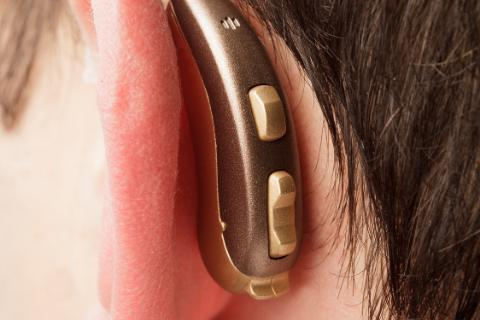
- Rechargeable docks eliminate the dexterity challenge of changing tiny button batteries.
- Lithium-ion cells last 4–5 years under normal daily charging cycles.
- Both power formats deliver identical high-definition sound processing quality.
Modern hearing aids are available in two primary power options: integrated lithium-ion rechargeable systems and disposable zinc-air button batteries.
Benefits of Rechargeable Hearing Aids: Convenience is the primary advantage. You place the hearing aids in their charging dock overnight, and they provide 24 to 30 hours of continuous power. For seniors or individuals with arthritis, eliminating the need to handle tiny button batteries is a major relief.
Benefits of Traditional Battery Hearing Aids: Ultra-compact invisible canal hearing aids (IIC/CIC) require zinc-air button batteries due to size constraints. They are also convenient for travelers who spend extended time away from power outlets.
Which Should You Choose? For 85% of active users, rechargeable Receiver-In-Canal (RIC) devices provide the best balance of battery longevity, Bluetooth streaming, and ease of use.