Hearing Aids vs Hearing Amplifiers: What's the Difference?
Understand the crucial clinical differences between prescription digital hearing aids and over-the-counter sound amplifiers (PSAPs), and why proper calibration matters.
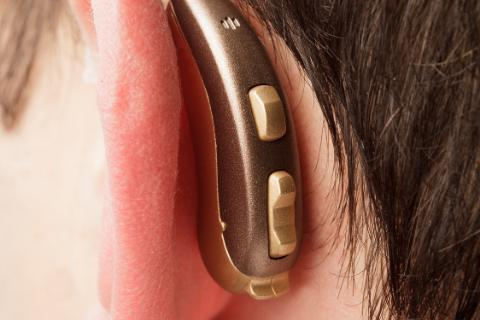
- Amplifiers make all noise louder; digital hearing aids selectively restore only your missing frequencies.
- Hearing aids protect your ears with active sound compression and noise filtering.
- Prescription devices include professional diagnostic testing, custom fitting, and lifetime aftercare support.
When noticing hearing difficulties, many individuals encounter low-cost 'sound amplifiers' online and wonder how they differ from prescription digital hearing aids fitted by an audiologist.
1. Technology & Frequency Specificity: A Personal Sound Amplification Product (PSAP) simply raises the volume of everything equally—including unwanted background rumble, traffic, and fan noise. In contrast, digital hearing aids are programmed specifically to your unique audiogram, amplifying only the precise pitch frequencies (such as high-frequency speech consonants like s, f, th) where you have loss.
2. Hearing Safety & Output Limiting: Unregulated amplifiers can amplify loud environmental sounds to unsafe decibel levels, risking further acoustic trauma. Prescription hearing aids feature active Maximum Power Output (MPO) compression to protect your residual hearing.
3. Directional Speech Processing: Modern hearing aids from Signia, Phonak, and Starkey use multi-microphone beamforming and AI noise cancellation to separate human voices from restaurant background noise.
4. Clinical Verification: Hearing aids are acoustically verified in your ear using Real-Ear Measurement (REM) by certified audiologists, ensuring clarity, comfort, and safety.