Hearing Aids vs Wireless Earphones: What's the Difference?
Compare medical-grade digital hearing aids against consumer wireless earbuds, battery longevity, acoustic open-fit venting, and clinical frequency calibration.
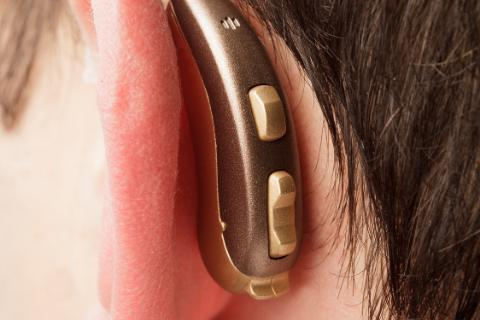
- Earbuds are designed for short-duration audio streaming; hearing aids are medical devices engineered for all-day speech understanding.
- Prescription hearing aids avoid the uncomfortable 'plugged-ear' occlusion effect through specialized acoustic venting.
- Digital hearing aids offer 24+ hour battery life and lifetime clinical support.
With the popularity of consumer wireless earbuds featuring ambient sound modes or 'conversation boost', many patients ask whether consumer earbuds can substitute for prescription hearing aids.
1. Clinical Precision vs Generic EQ: Consumer earbuds offer basic volume boosts or simple equalizer presets. In contrast, digital medical hearing aids are calibrated across 16 to 48 independent frequency channels to match your specific pure tone audiogram.
2. All-Day Battery & Ergonomic Comfort: Wireless earbuds typically last 4 to 6 hours before needing a recharge in their case. Prescription rechargeable hearing aids provide 24 to 36 hours of continuous power on a single overnight charge.
3. Occlusion & Ear Canal Health: Earbuds seal the ear canal with silicone tips, creating a boomy 'occlusion effect' where your own voice sounds like you are speaking inside a barrel. Hearing aids use acoustically vented micro-domes or custom earmolds designed for 16-hour daily wear without moisture buildup.
4. Speech in Noise Separation: Medical hearing aids utilize dual-microphone beamforming algorithms specifically engineered to track human speech patterns in noisy Bangalore restaurants.